Opera Lovers
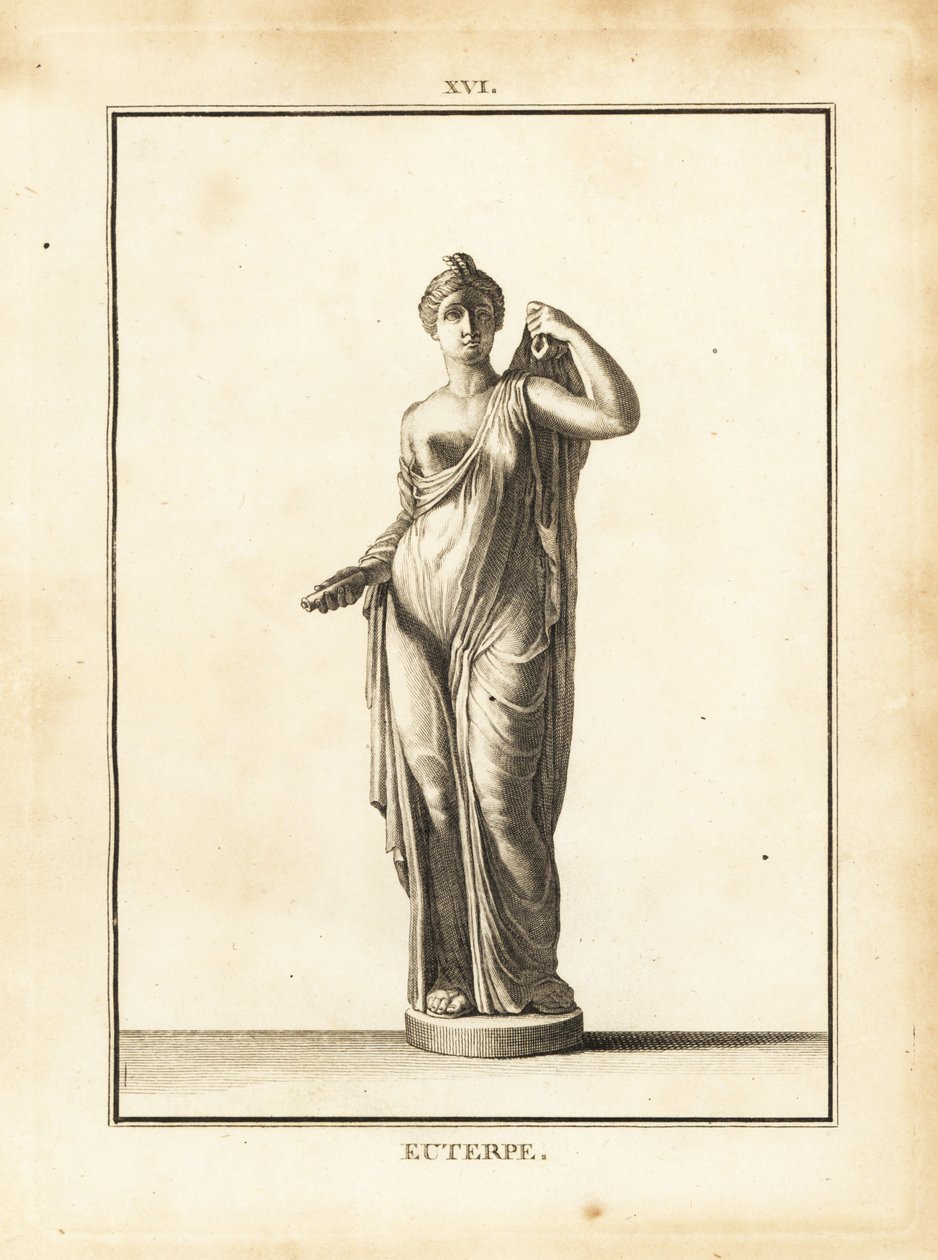
The word opera, which simply means “artwork,” has been wrapped in all sorts of associations. It’s seen, unmistakably, as a symbol of the wealthy elite and, in itself, of class division as a concept. An art form so delicate, so refined and symbolic, that it supposedly cannot stir any emotion in the poor, uneducated masses. I must confess, I don’t share that view. And I suspect that many of the artists who have taken part in this eclectic discipline, whether in the past or today, wouldn’t share it either. That kind of arrogance is nothing more than the tip of an iceberg as deep as the gaze of the one who contemplates it.
We can’t deny the elitist undertones that accompany opera, but neither should we reject it because of them. Instead, we might do well to recognize in it a fascinating lens through which to understand different periods and social phenomena that reemerge from time to time; much like the recent revival of waltz dancing, for instance.
Setting those historical considerations aside, I’ve decided to create a short blog dedicated to this art form. More than an informative project, I think of it as a personal challenge: an opportunity to remember and rediscover great operatic works; an exercise that allows us to explore our own values, see ourselves reflected in different settings, and relive the works through our own sensitivity, challenging the notion that only musicologists or scholars can truly enjoy them.
I invite you to join me in this experience, act by act, a few times a week. The first opera will be Orfeo, which I’ll be posting about tomorrow on my Tumblr profile. If this project speaks to you, I’d be delighted to see you interact and reflect with me on opera and on the perpetual echo of art in our lives.